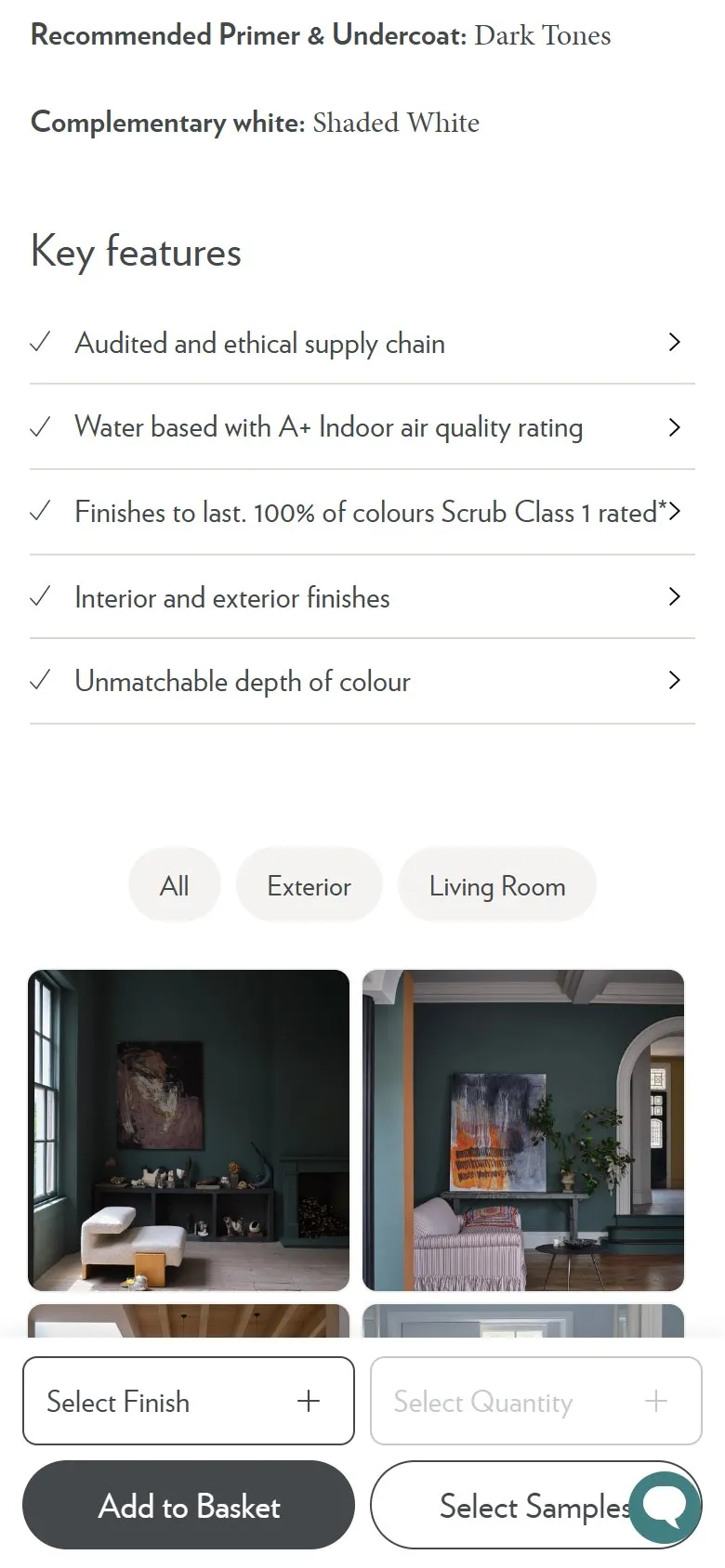
A scannable key features list that builds trust
What they do
Beside the description sits a Key features list of five ticked lines, each expandable for the detail behind it: audited and ethical supply chain, water based with an A+ indoor air quality rating, finishes to last with 100% of colours Scrub Class 1 rated, interior and exterior finishes, and unmatchable depth of colour. The claims are carried through the rest of the page rather than left as slogans, with blocks further down on being 100% water based, low VOC, and independently certified toy-safe under EN 71-3:2019+A1:2021.
Why it works
A £81 tin needs a reason to cost that, and the reasons that persuade are the ones a shopper can check: a named standard, a rating, a scrub class. Putting five of them in a scannable strip next to the description means the justification is read even by someone who reads nothing else, and the expandable rows keep the page from turning into an essay. The two claims doing the most work are the ones aimed at specific anxieties rather than at everyone, since air quality and toy safety answer the parent repainting a nursery. Named standards with numbers are also the sort of thing a language model can quote back with confidence, which matters as more of this research happens in a chat window.
Makes sense when
Premium pricing needs defending, or the category carries safety and health questions the buyer is quietly weighing. The rule is that every line names something checkable; five vague virtues read worse than three certifications. Cite the standard, not the adjective.
More like this
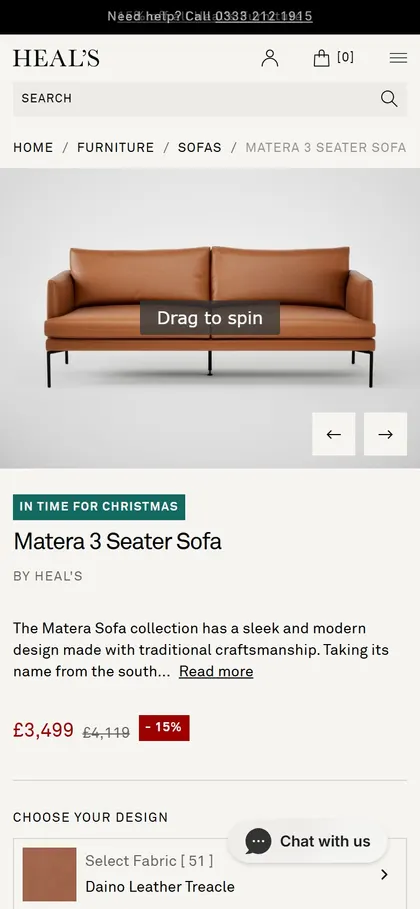
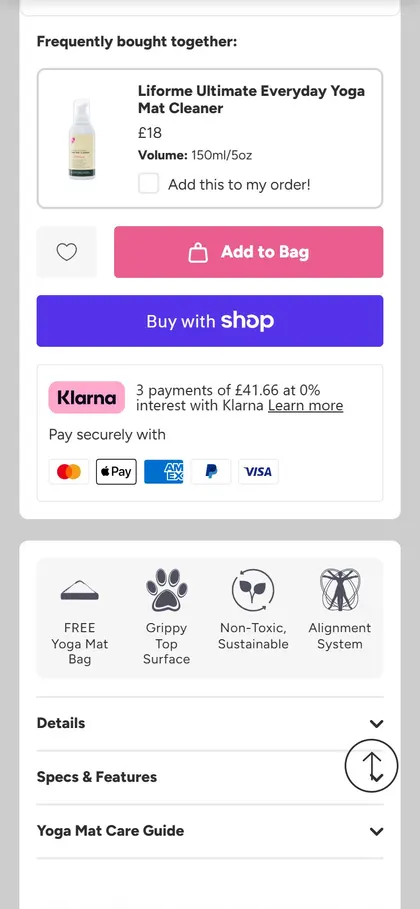
More product patterns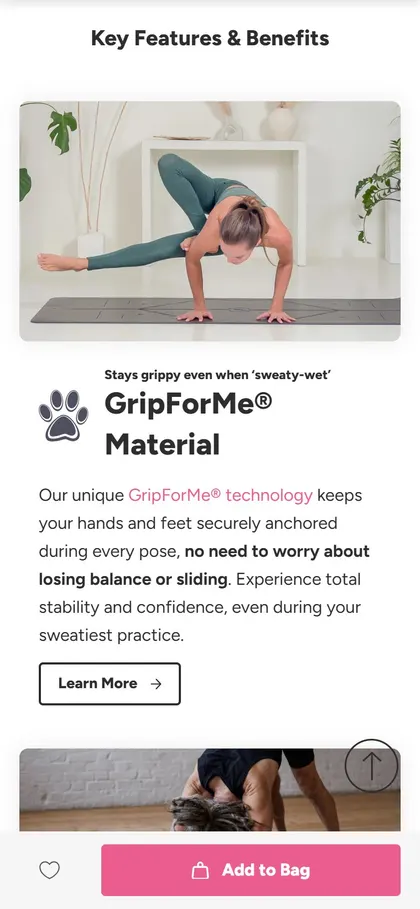
Want this on your store?
I'll tell you which of these patterns will move organic revenue for your catalogue, and which to skip.
Book a discovery call