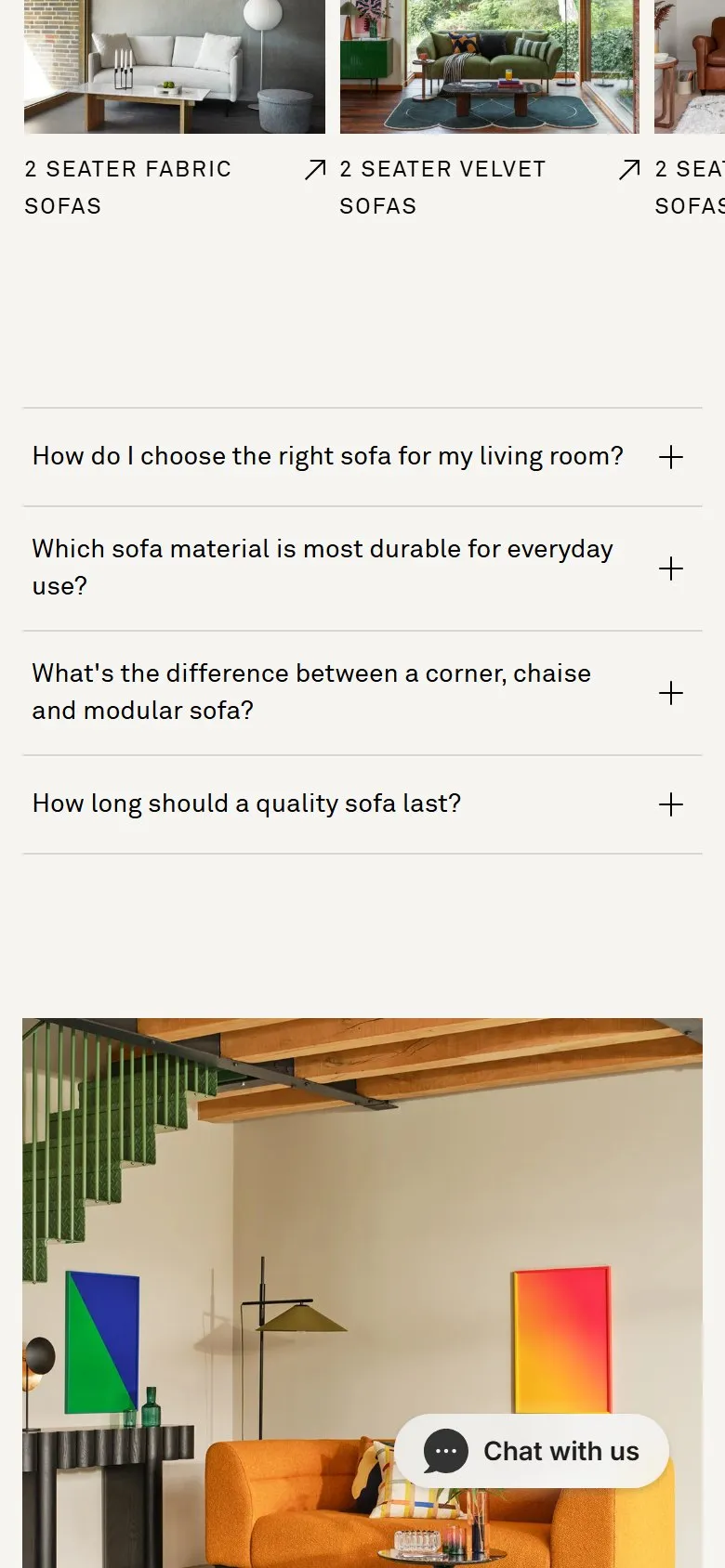
Buying advice FAQs and guides under the product grid
What they do
The page closes on two editorial blocks. First a four-question accordion: how to choose the right sofa for a living room, which material is most durable, the difference between corner, chaise and modular, and how long a quality sofa should last. The answers are advice rather than filler, around seventy words each, and the first one opens on "Start with the space, not the sofa. Measure the room, mark out the footprint with masking tape." Below it, three Buying Guides article cards with photography and a real excerpt: How To Choose A Sofa, Best Compact Corner Sofas For Small Rooms, and Leather vs Fabric Sofas: Which Is Best for Your Home, plus a See more link into the rest.
Why it works
A category page has to serve two shoppers, the one who knows what they want and the one who doesn't, and everything above the fold serves the first. The FAQ answers the questions that would otherwise send the second shopper to Google, and the guides catch the ones who need a longer read, so the research trip happens on Heal's rather than on a comparison site. The answers are specific enough to be worth reading, which matters more than length: masking tape on the floor is advice a shop assistant would give. All three guides are about sofas, which sounds obvious until you see the same module on the product page serving an article about mattresses.
Makes sense when
Any considered category where the buyer is researching as well as shopping. Two things to do better than Heal's: the FAQ block carries no FAQPage schema, only BreadcrumbList, which is a one-line fix for a block that already exists in the right format; and the guide cards should be picked per category rather than sitewide, or you end up recommending mattress advice to someone buying a sofa.
More like this
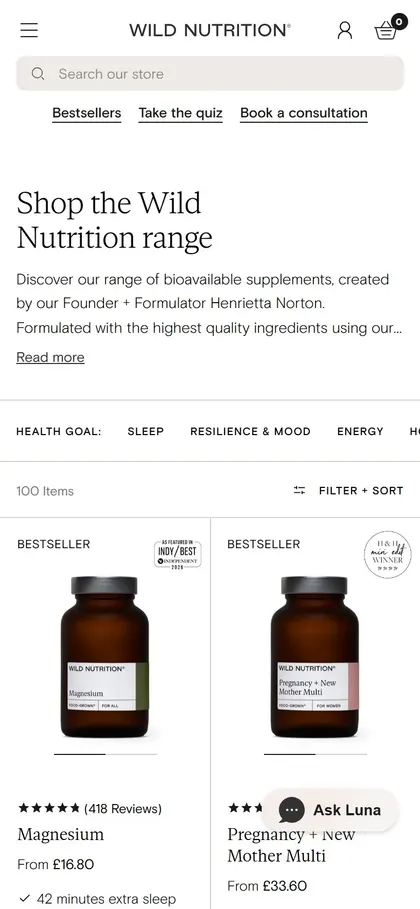
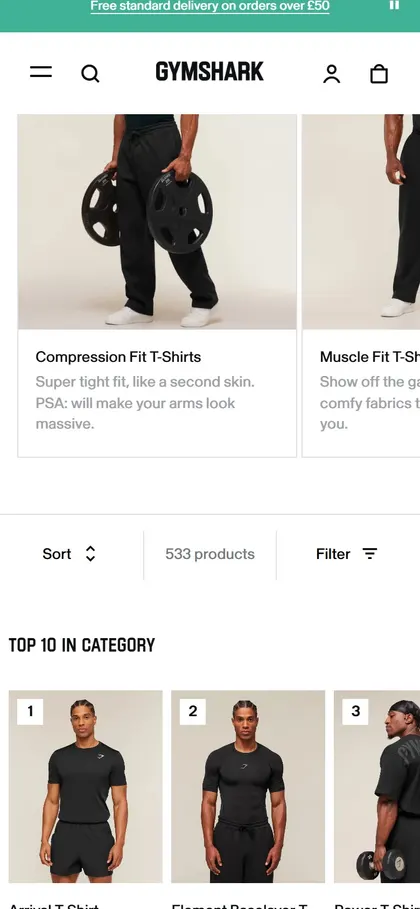
More collection patterns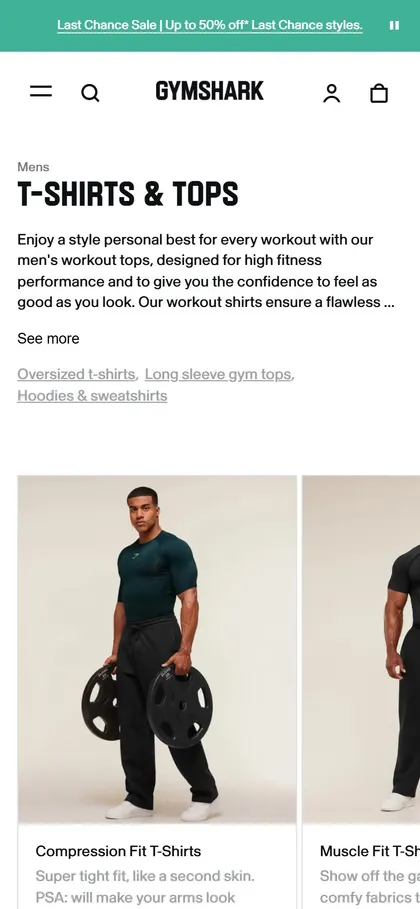
Want this on your store?
I'll tell you which of these patterns will move organic revenue for your catalogue, and which to skip.
Book a discovery call